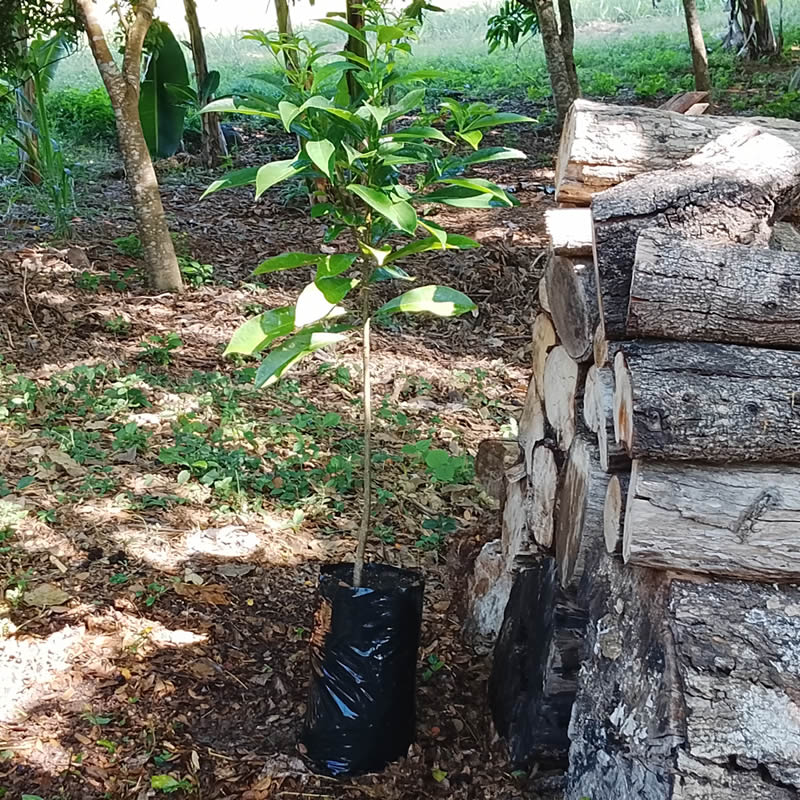
The Baria tree (scientific name: Cordia gerascanthus) is a tropical hardwood species belonging to the Boraginaceae family. It is native to tropical regions of the Americas, particularly the Caribbean, Central America, and northern South America, where it grows naturally in dry forests as well as in transitional areas between dry and moist tropical forests.
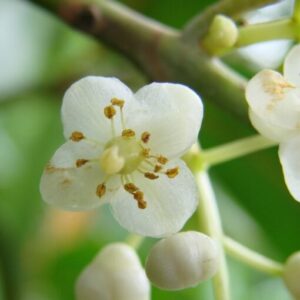
This species can reach 15 to 30 meters (50–100 feet) in height, developing a straight trunk and a broad, attractive crown. Its bark is grayish to brown and becomes slightly fissured as the tree matures. The leaves are simple, oval-shaped, and somewhat rough in texture. During the flowering season, the tree produces abundant clusters of small white to cream-colored flowers that are pleasantly fragrant and highly attractive to bees and other pollinators. These flowers are followed by small fruits that provide food for various bird species.
One of the most valued characteristics of Cordia gerascanthus is its high-quality hardwood. The wood is dense, durable, and resistant, making it suitable for fine furniture, cabinetry, flooring, posts, and rural construction. Because of its strength and attractive appearance, Baria wood has long been appreciated for both commercial and artisanal uses throughout the Caribbean region.
Beyond its economic value, the Baria tree plays an important ecological role. It provides shade, habitat, and food resources for wildlife and is frequently included in reforestation and ecological restoration projects due to its adaptability to different environmental conditions.
In summary, Baria (Cordia gerascanthus) is a majestic tropical tree that combines ecological importance, ornamental beauty, and excellent timber quality, making it a valuable and representative species of the tropical forests of the Americas.