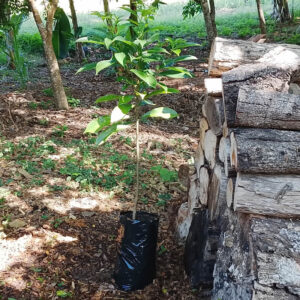
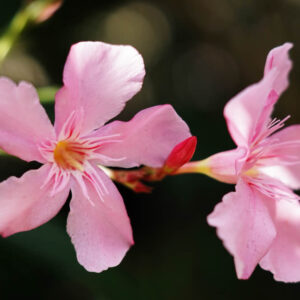
(Hibiscus elatus)
A majestic tree of tropical biodiversity
Blue mahoe (Hibiscus elatus) is a tropical tree of great beauty and ecological value, native to the Caribbean. It belongs to the Malvaceae family and is distinguished by its rapid growth, elegant appearance, and natural resilience. Its presence in humid forests makes it a key species from both an environmental and economic perspective.
Botanical characteristics
Blue mahoe can reach heights of up to 25 meters, with a straight, cylindrical trunk with smooth to slightly fissured bark. Its leaves are large, green, and glossy, heart-shaped with toothed margins. During flowering, it produces large, showy yellow flowers with dark red centers, similar to those of the ornamental hibiscus, which gives it additional aesthetic value.
Distribution and habitat
This tree thrives in warm, humid climates typical of tropical regions and is often found in rainforests or ecological transition zones. Although native to the Caribbean, it has also been successfully introduced to other tropical regions of the Americas and Asia.
Uses and Applications
Blue mahoe is known for its high-quality, strong, and resilient wood, with hues ranging from pale yellow to golden brown. It is traditionally used in:
- Fine carpentry and joinery
- Furniture, door, and paneling manufacturing
- Musical instrument construction
- Crafts and decoration
In addition, the fibrous bark has historically been used in the production of rope and cordage.
Ecological Importance
Beyond its commercial value, the Blue mahoe tree plays an important role in soil conservation, the water cycle, and as a habitat for birds and pollinating insects. It is also a valuable species in reforestation and ecological restoration programs due to its resilience and adaptability.
Interesting Facts
- The name “Majagua” comes from the Taíno language and has been traditionally used for several species of hibiscus with utilitarian value.
- In Jamaica, it is considered the national tree and a symbol of strength and tradition.
- Its flower, although ephemeral, is highly attractive to bees and other pollinators.