(Calophyllum antillanum)
Family: Calophyllaceae
Common names: Ocuje, Santa María, Dilo
Scientific name: Calophyllum antillanum Britton
General description
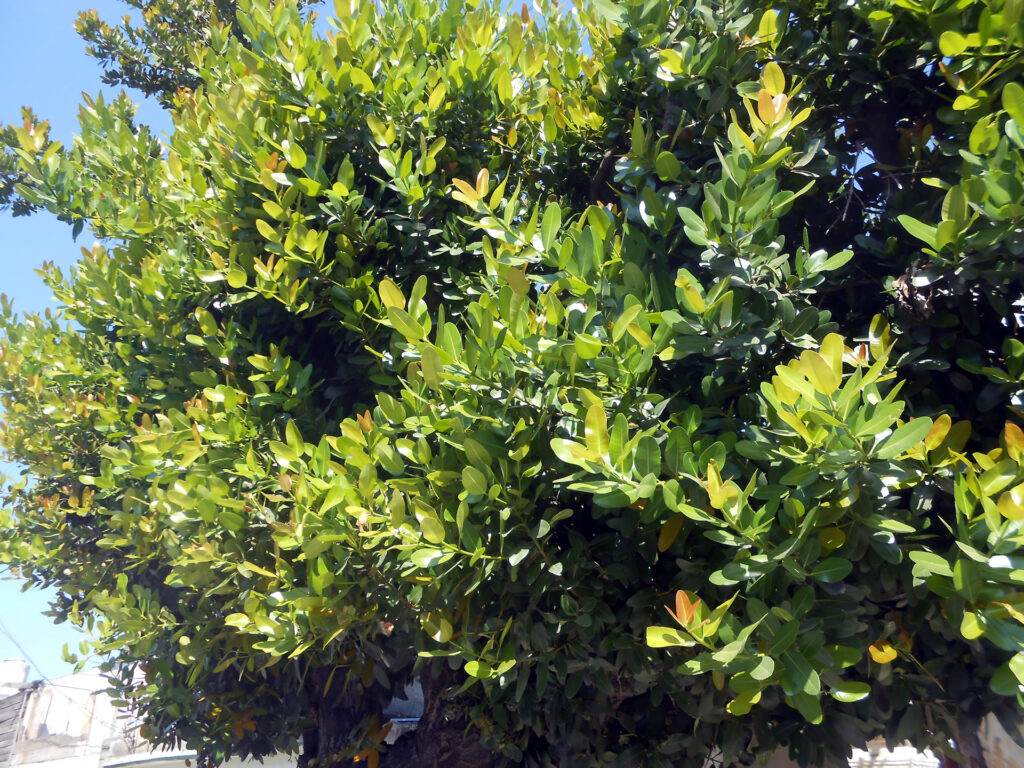
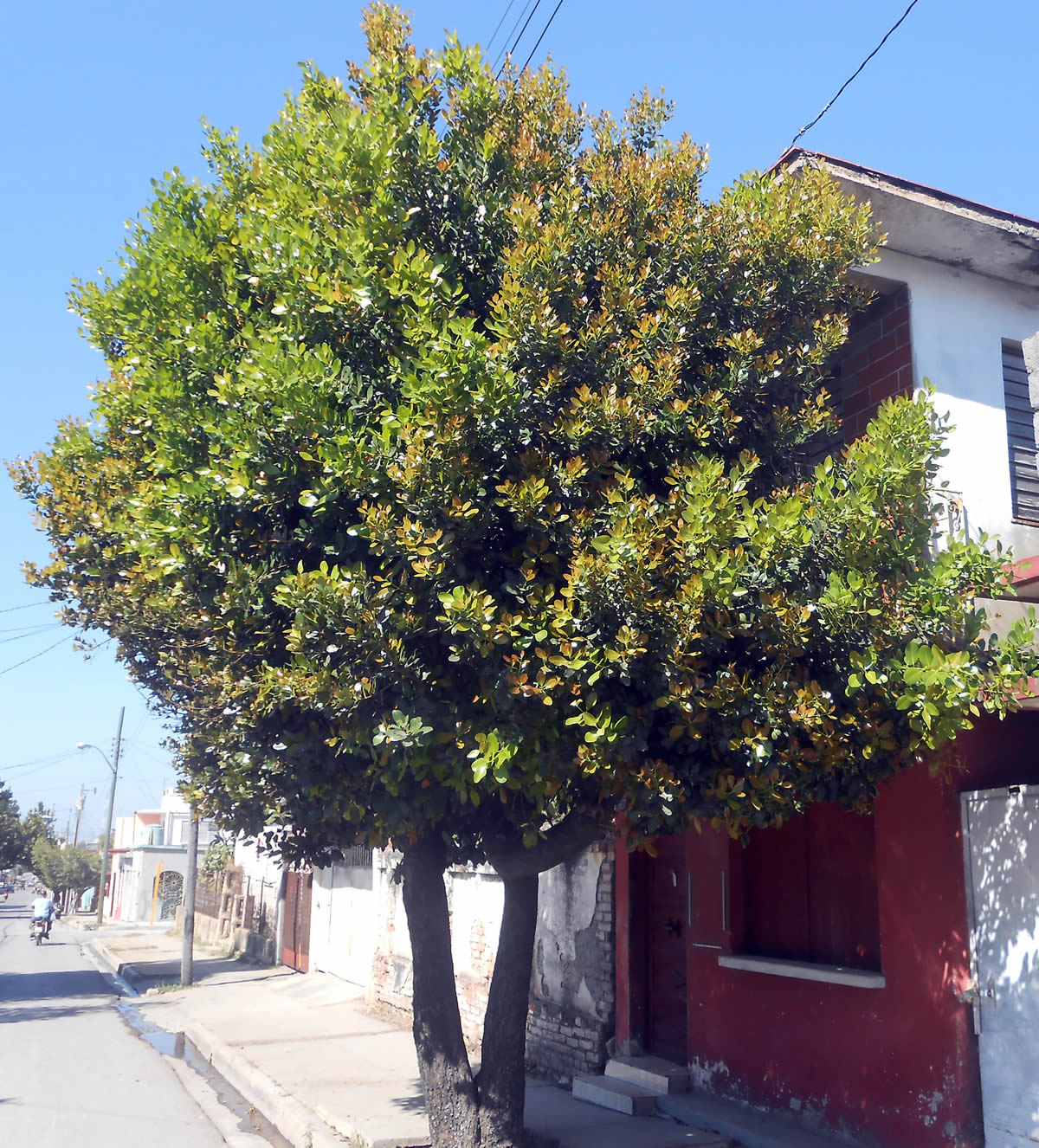
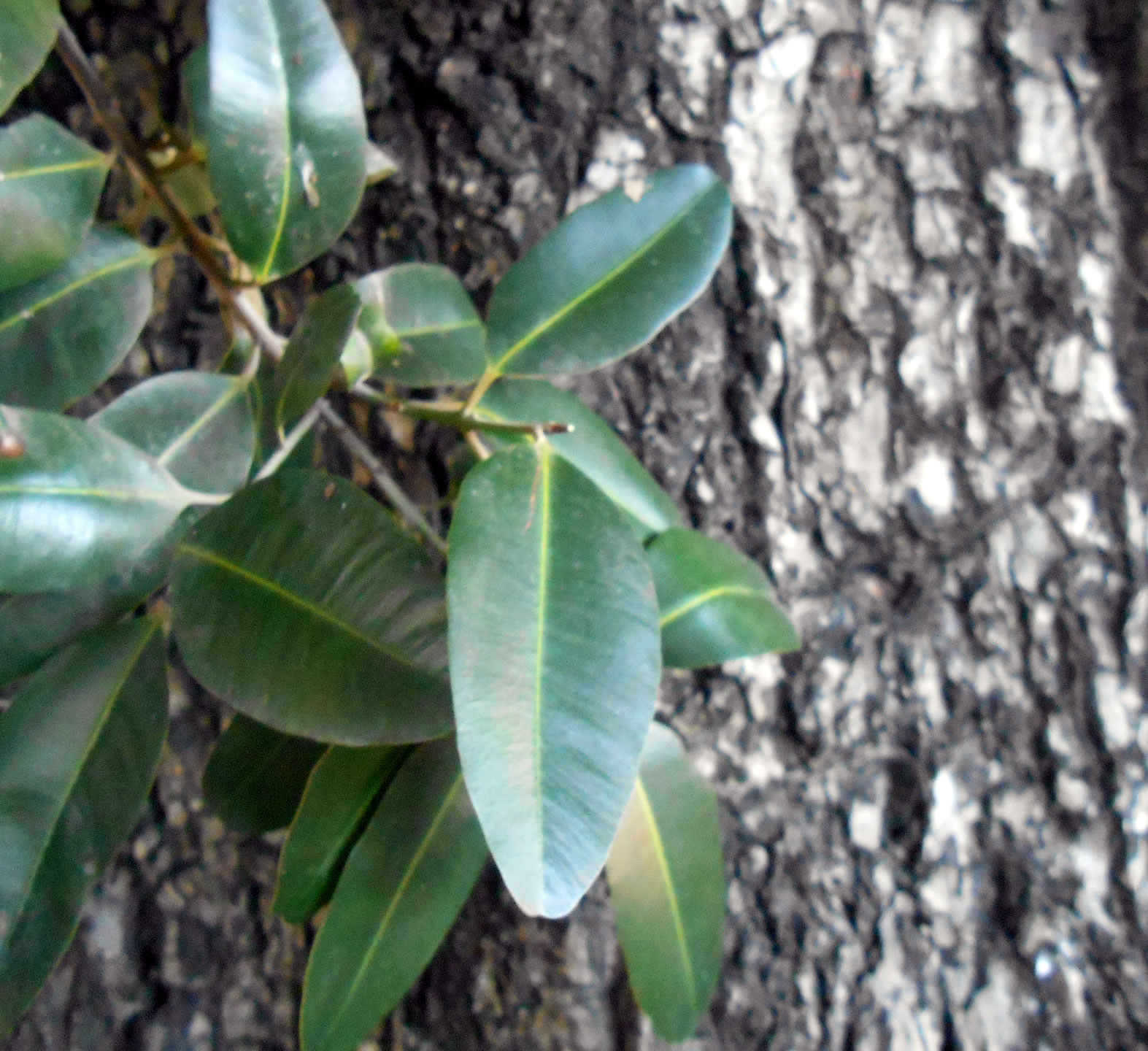
The Ocuje is a large tropical tree native to the Caribbean and Central America, highly valued for its durable wood and ornamental qualities. It can reach up to 30 meters in height, with a straight, cylindrical trunk that may exceed 80 centimeters in diameter in mature specimens. The bark is grayish to dark brown, finely fissured, and exudes a yellowish or clear resin when cut.
Leaves and flowers
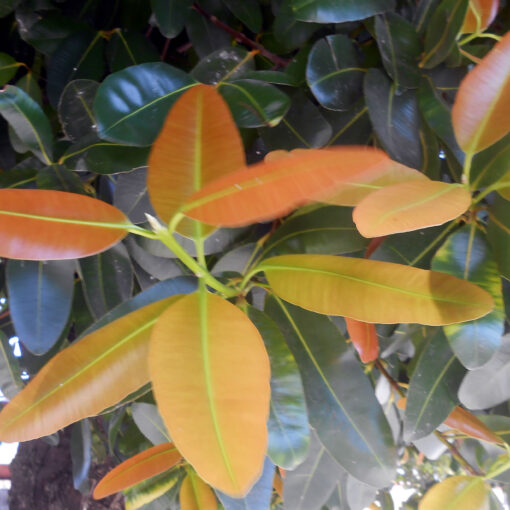
The leaves are opposite, simple, leathery, and elliptical or oval in shape, dark green and glossy on the upper side and lighter beneath, with fine parallel veins.
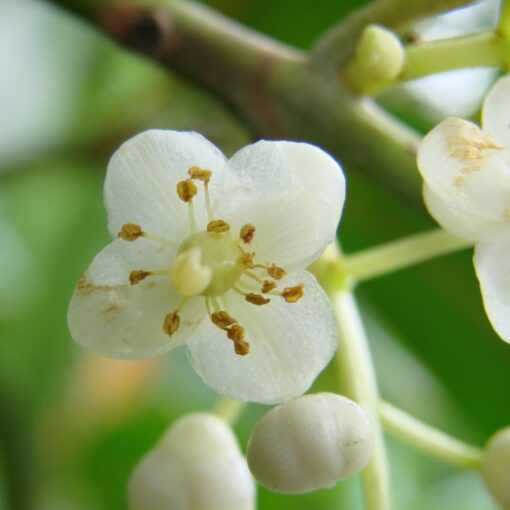
The flowers are small, white, and fragrant, arranged in clusters or panicles. Blooming typically occurs between March and June, depending on the local climate.
Fruits and seeds
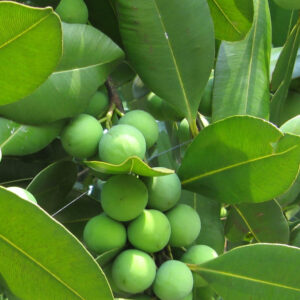
The fruit is a round drupe, green when young and turning yellowish or brown as it matures. It contains a single oily seed, from which an oil with medicinal and cosmetic properties can be extracted.
Habitat and distribution
Calophyllum antillanum thrives in humid and semi-deciduous forests, from sea level up to about 600 meters in elevation. It is common in Cuba, Puerto Rico, the Dominican Republic, Jamaica, the Lesser Antilles, and parts of Central America and northern South America.
Uses and applications
- Wood: Highly prized for its hardness, durability, and resistance to moisture and insects, making it ideal for carpentry, shipbuilding, furniture, and flooring.
- Oil: The seed oil is known for its antiseptic, healing, and anti-inflammatory properties.
- Ornamental: Frequently planted in parks and along roadsides for its dense foliage and pleasant shade.
- Ecological: Helps protect soil and biodiversity, providing shelter and food for various species.
Ecological importance
The Ocuje tree plays a key role in tropical ecosystems by protecting watersheds, preventing soil erosion, and storing carbon. Its flowers also attract bees and other pollinators, supporting local ecological balance.